
Red grape varieties of Rioja: the stars of some of Rioja’s finest wines
If there is one thing that defines the character of Rioja’s great wines, it is the extraordinary diversity of its red grape varieties. Each brings different nuances, unique aromas and its own distinct identity which, combined with the region’s climate, soils and winemaking tradition, gives rise to some of the world’s most renowned wines.
At Bodegas Corral, we’d like to invite you to discover the most iconic red grape varieties of the DOCa Rioja and understand why they remain the foundation of wines capable of thrilling generation after generation.
Tempranillo, the undisputed queen of Rioja
To speak of La Rioja is to speak of Tempranillo. It is, after all, the most widely grown red grape variety in the region and the very backbone of many of its most prestigious wines.
Its name derives from its early ripening compared to other traditional varieties. Tempranillo stands out for producing balanced, elegant and versatile wines, with aromas of red and black fruits, floral notes and an extraordinary capacity to evolve during ageing in barrel and bottle.
Thanks to this versatility, we find very different expressions of the variety depending on the winemaking style.
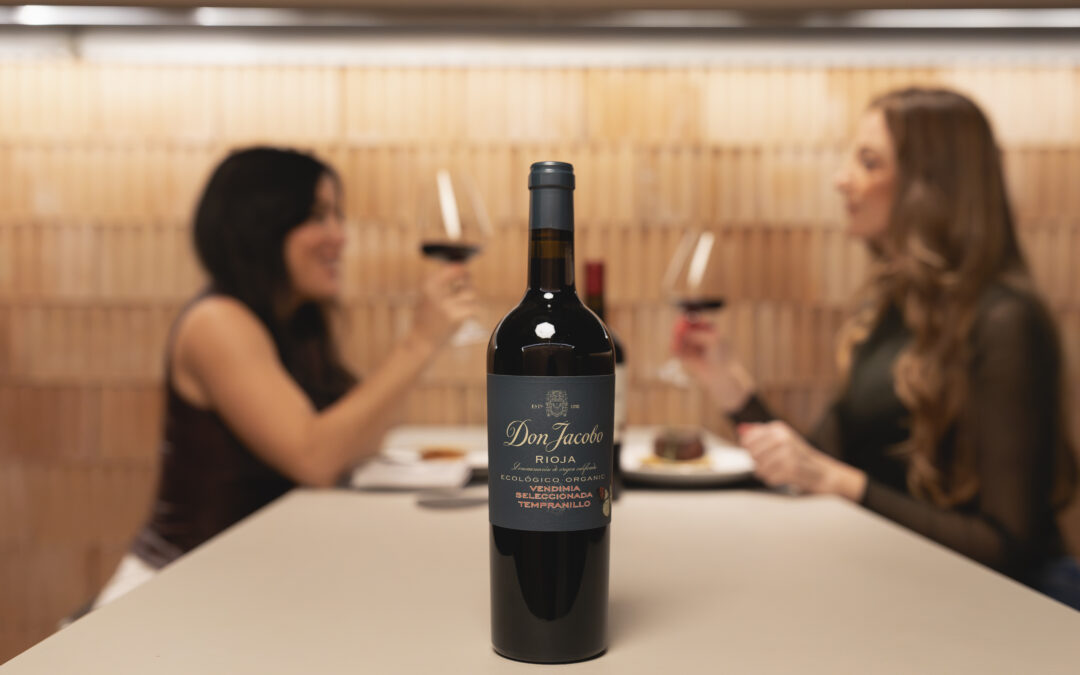
A magnificent example is Don Jacobo Vendimia Seleccionada, a wine that seeks to reflect the authenticity of Tempranillo from Rioja Alta through winemaking practices that respect the vineyard and a pronounced fruity character.
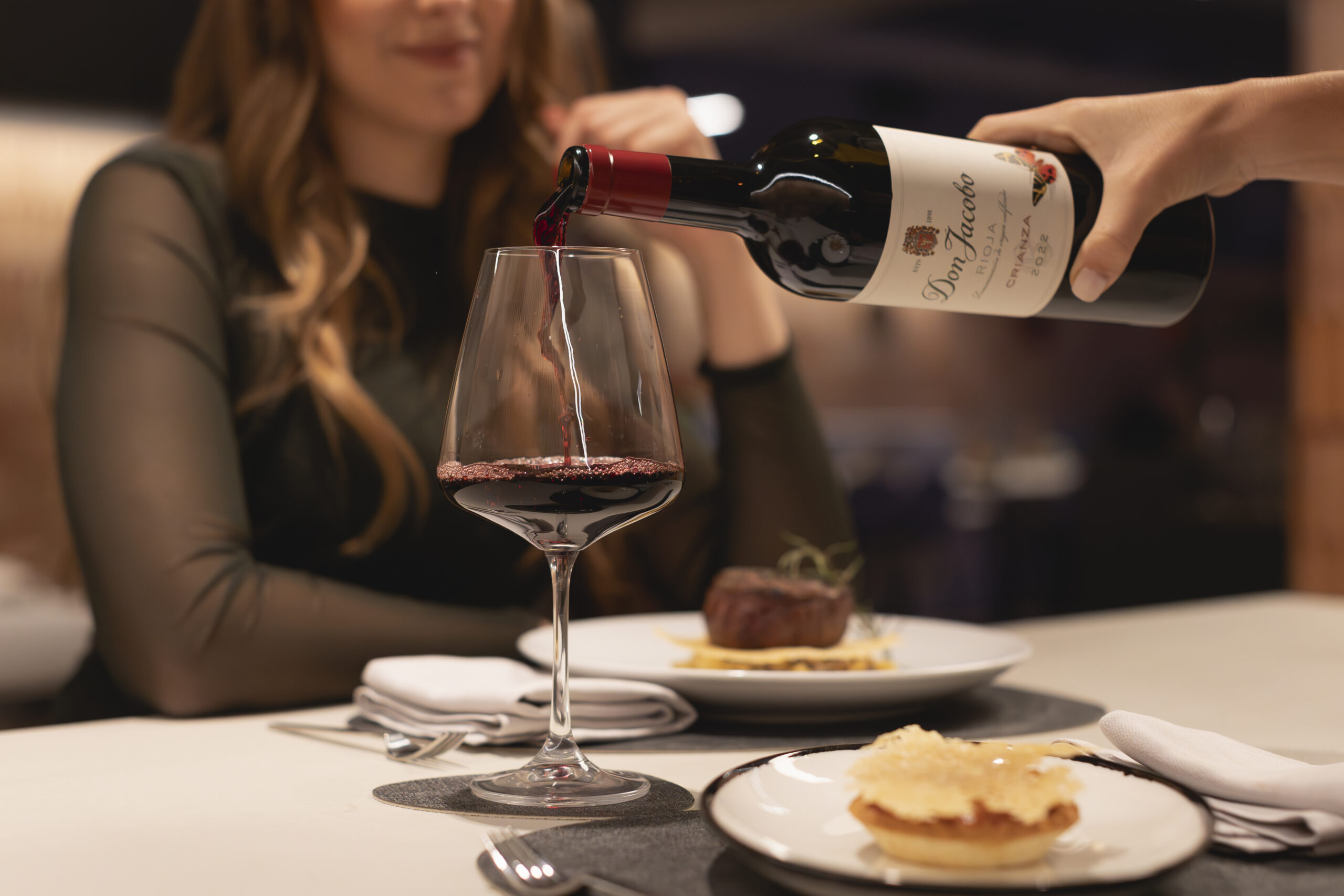
When seeking the classic balance between fruit and ageing, we find wines such as Don Jacobo Crianza Ecológico, where the Tempranillo develops its full complexity without losing its freshness.
For those who enjoy wines with greater development, Don Jacobo Reserva embodies the elegance that comes with the passage of time, whilst Don Jacobo Gran Reserva demonstrates this variety’s capacity to achieve extraordinary levels of complexity and longevity.
Tempranillo is, in short, the variety that best encapsulates the essence of Rioja: balance, elegance and ageing potential.
Graciano: intensity and freshness for great blends
For decades, Graciano was considered a niche variety due to its lower yield and the demands of its cultivation. However, today it is one of the most highly regarded grapes among winemakers and wine enthusiasts thanks to its significant contribution to aroma and structure.
Graciano offers intense aromas of black fruits, spices, flowers and balsamic notes. It also brings a high natural acidity that promotes superb development in the bottle.
It is precisely because of these characteristics that it is often used in small percentages within blends designed to enhance complexity and ageing potential.
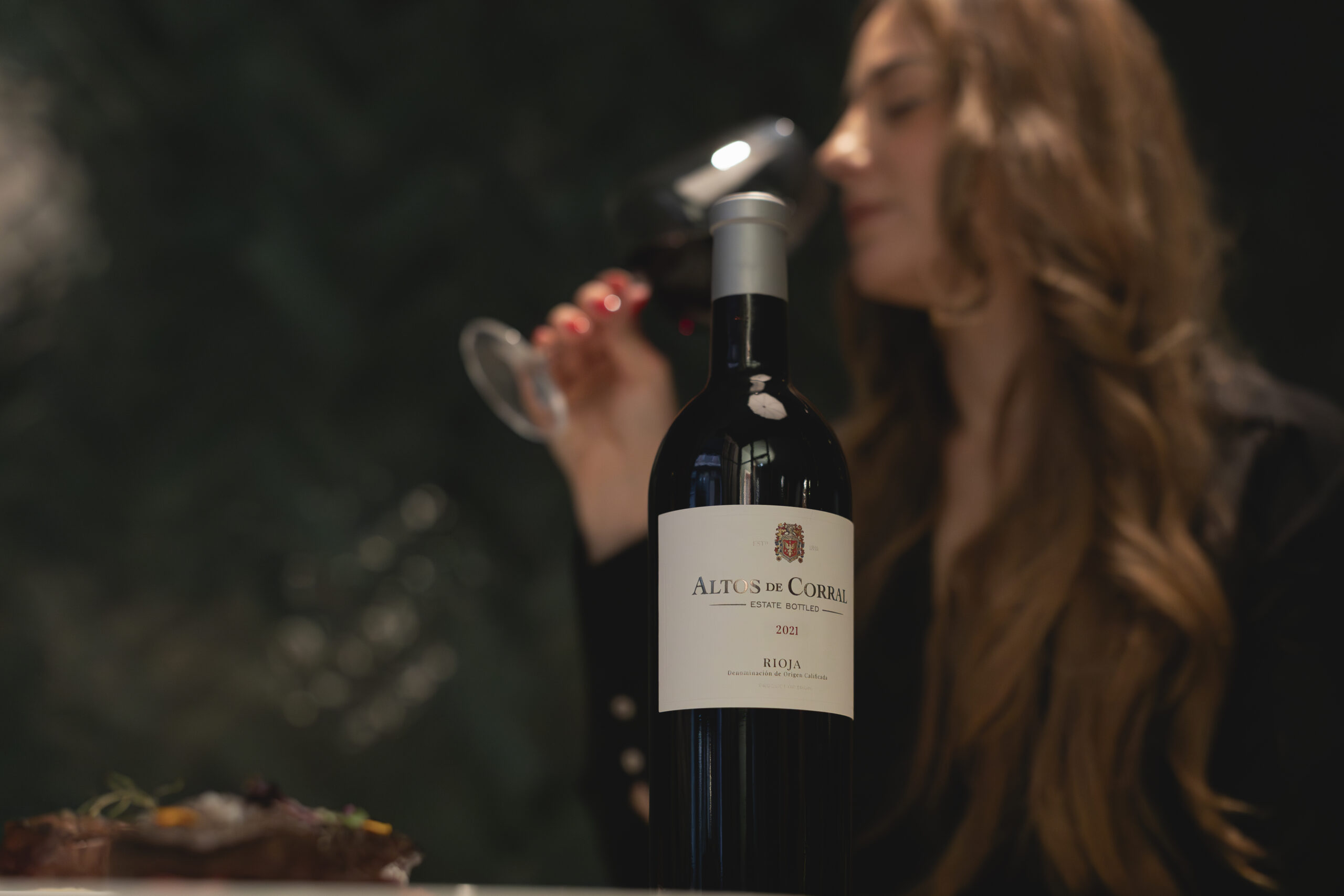
An excellent example can be found in Altos de Corral Single Estate Crianza, made from 90% organic Tempranillo and 10% organic Graciano sourced from a single estate situated at an altitude of over 600 metres. The Graciano brings tension, freshness and aromatic depth to the blend.
This same philosophy is maintained in Altos de Corral Single Estate Reserva, where the blend of Tempranillo and Graciano finds a particularly elegant expression following extended ageing in French oak barrels.
Graciano demonstrates that, sometimes, a small percentage can make a big difference.
Maturana Tinta, a rediscovered gem of La Rioja’s heritage
 If there is one grape variety capable of piquing the curiosity of wine lovers, it is the Maturana Tinta.
Considered one of the oldest grape varieties in Rioja, it was on the verge of disappearing for much of the 20th century. Its revival has made it possible to preserve a vital part of the region’s wine-growing heritage.
Maturana Tinta produces wines with intense colour, good structure and a highly distinctive aromatic profile, typically featuring black fruits, spices, mineral notes and herbaceous undertones.
Those wishing to discover its full potential can do so with Los Corrales de Moncalvillo Maturana Tinta Organic 2018, a wine that showcases this historic variety and demonstrates the richness still hidden within some of Rioja’s lesser-known grapes.
The revival of varieties such as Maturana Tinta allows for a broader range of styles and helps preserve the viticultural biodiversity that makes the appellation unique.
Garnacha, Rioja’s trusted companion
Mazuelo, structure and ageing potential
Although Tempranillo usually takes centre stage, Garnacha also plays a key role in the history of Rioja.
Particularly prevalent in warmer, drier areas, this variety brings ripe fruit, body and a silky texture that perfectly complements Tempranillo.
Wines made from Garnacha typically display aromas of strawberry, cherry, ripe red berries and sweet spices. They also offer a pleasant, sweet sensation on the palate that is very appealing to many consumers.
In recent years, Garnacha has undergone a genuine resurgence, becoming one of the most highly regarded varieties among those seeking expressive wines with their own distinct character.
Mazuelo, structure and ageing potential
Another of Rioja’s historic grape varieties is Mazuelo, known internationally as Carignan or Cariñena.
Traditionally, it has played a complementary role in many blends due to its high acidity, intense colour and significant tannic content.
Although it rarely takes centre stage, its contribution is essential for enhancing the structure and ageing potential of many Rioja wines.
In classic blends, Mazuelo acts as a sort of backbone, helping to sustain the wine’s development over the years.
A diversity that defines the identity of Rioja
The greatness of Rioja lies not in any single grape variety, but in the harmony of them all.
The elegance of Tempranillo, the freshness of Graciano, the uniqueness of Maturana Tinta, the expressiveness of Garnacha and the structure of Mazuelo form an extraordinary viticultural heritage that has made the DOCa Rioja a global benchmark.
Every bottle tells a different story. Some speak of tradition, others of innovation, and others of the revival of historic varieties. But they all share the same origin: the deep bond between the vine, the land and the people who work it.
The next time you uncork a bottle of Rioja wine, we invite you to take a closer look at the varieties that make it up. Behind every glass, you will find much more than just grapes: you will discover centuries of history, knowledge and passion for wine.