What does the wooden barrel contribute to Rioja wine?
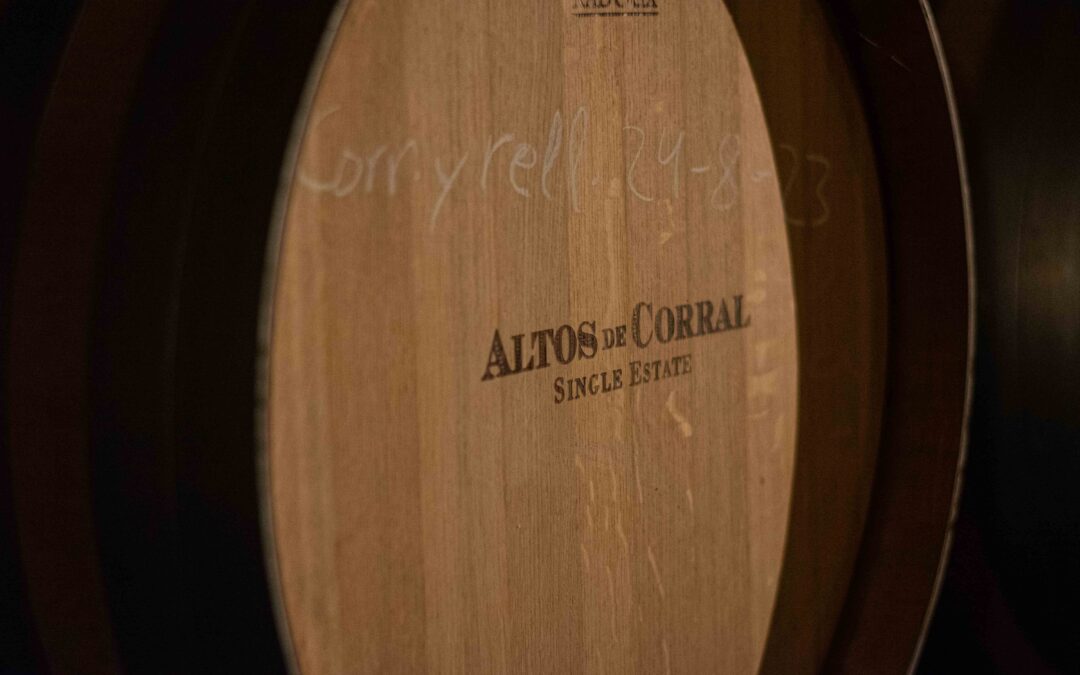
At Bodegas Corral, we say it plainly: the wooden barrel in La Rioja wine is not just a container; it is a precision tool that shapes character, texture, and memory. We like to think that each barrel is a small laboratory where time and oak interact with the grapes. Today we want to explain, with examples and without unnecessary technicalities, how the type of wood, its origin, and the levels of toasting “shape” the profiles of our estate wines, and how this is clearly perceived in our Altos de Corral.
The barrel, from object to craft
For centuries, the barrel was a means of transport; today it is a language. The porosity of oak facilitates gentle micro-oxygenation that rounds out tannins and smooths edges. This minimal respiration allows the wine to evolve step by step, integrating the compounds of the wood without losing its fruitiness. Anyone who wants to learn more about its parts, sizes, and uses can take a look at this practical post about barrels, which explains why the volume, grain, and curvature of the staves matter. For us, the key is simple: choose the barrel that accompanies the wine, not the one that “disguises” it.
French oak and American oak: two distinct accents
In Rioja, we work mainly with French oak and American oak. Both are oak, yes, but they “speak” differently.
- French oak (our ally at Altos de Corral) is synonymous with elegance: it brings fine spices, subtle toasted notes, a silky texture, and a more precise finish.
- American oak tends to offer a more expansive profile: vanilla, coconut, sweet notes, and a notable aromatic weight.
The choice is tricky: it depends on the wine, the vineyard, and the style we are looking for. In our case, the unique estate above 600 meters in Rioja Alta brings freshness and a mineral background that we want to respect. That is why, for Altos de Corral, we opted for 225L French oak barrels, which enhance the fruit of organic Tempranillo and Graciano without masking it.
Toasting: the footprint that cannot be seen but can be felt
The intensity of the toasting defines a large part of the aromatic landscape:
- Light toasting: toasted bread, nuts, maximum respect for the fruit.
- Medium toasting: vanilla, spices, a touch of cocoa; balance and breadth.
- High toasting: smoky, coffee, chocolate; ideal for wines with aging potential.
Our job is to match the toasting with the structure of the wine. If the grape has muscle, we can increase the volume of the toasting; if it arrives with a particularly delicate finesse, we prefer a more discreet profile. The important thing is that the wood does not compete with the vineyard.
How all this translates into the glass: Altos de Corral
The best way to understand the role of oak barrels in La Rioja wine is to taste how they are integrated into our estate wines. Altos de Corral comes from a single plot in Rioja Alta, at an altitude of over 600 meters, where ripening is slow and acidity is naturally preserved. With wood as our ally, we produce two expressions:
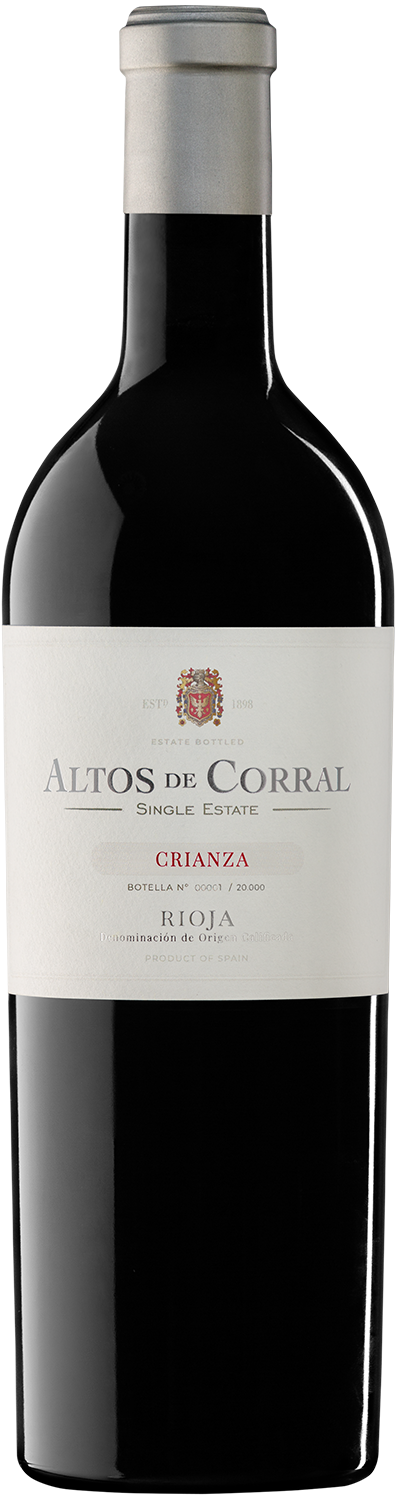 Altos de Corral Single Estate Crianza
This is an organic blend (90% Tempranillo, 10% Graciano) aged for 12 months in new French oak barrels.
The color is intense cherry red with violet hues.
The nose reveals ripe black fruit (blackberry, plum), enveloped in fine spices, scrubland, and a mineral background reminiscent of altitude. On the palate, it is serious and structured, with firm, ripe tannins, lively acidity that lengthens the mid-palate, and a long finish that invites another sip. We like to say that it is a wine that evolves in the glass: each swirl reveals a new nuance.
At the table, it goes perfectly with herb-roasted chicken, grilled entrecôte steak, beef stew, or soft cheeses such as Camembert.
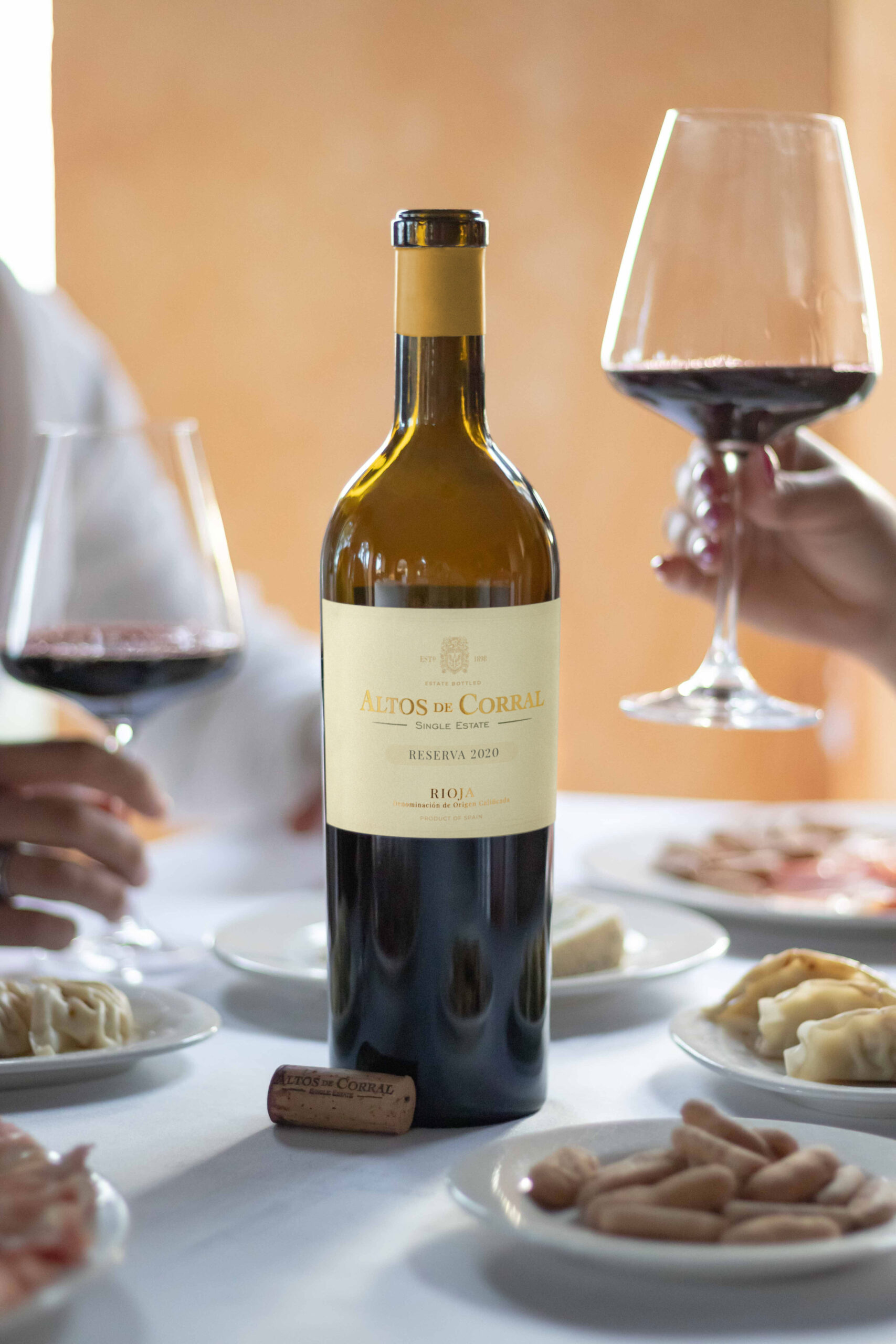
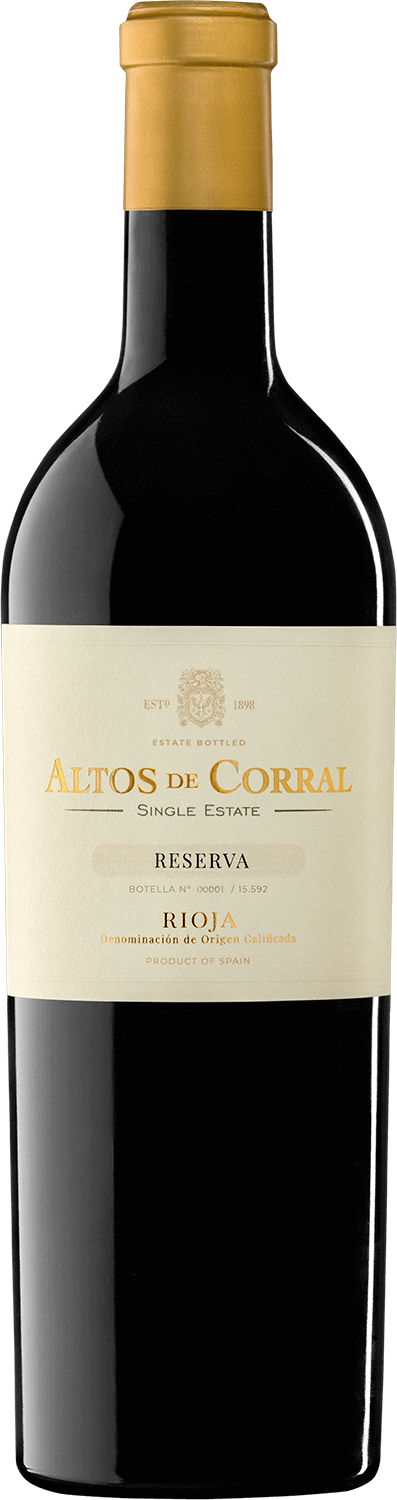 Altos de Corral Single Estate Reserva
Same estate, same varieties, different aging: 24 months in French oak barrels and 6 months in the bottle.
The color turns to garnet with brick-red edges.
On the nose, black fruit intertwines with cocoa, fine leather, deep spices, and more serious mineral notes, a sign of its prolonged aging.
On the palate, it is full-bodied and elegant, with polished tannins, firm acidity, and a long, precise finish. It is a wine for aging, with layers that open up if given time.
It pairs perfectly with red meats, game, lamb, and suckling pig, as well as poultry and traditional stews.
Crianza VS. Reserva: What changes when time changes
The difference is not a detail: it is an aesthetic. Crianza relies on freshness, with fruit and spices in the foreground, accompanied by medium toasting that adds finesse. Reserva moves into the realm of complexity: tertiary aromas (cocoa, tobacco, leather) appear, along with an enveloping sensation that calls for conversation, a decanter, and a generous table. Both share precision and authenticity; each chooses its own pace.
Aging conditions: Silence also ages
Wood is crucial, but it does not work alone. It needs the right environment: stable temperature (54–68°F), controlled humidity, darkness, and time. No rush. This is how the tannins are rounded out, the acidity retains its tension, and the wood blends with the fruit as if they had always been together. For those seeking more information on this subject, here is a useful reference on the principles of winemaking, because understanding the why helps you better enjoy the how.
What exactly does wood contribute?
- Aromatic complexity: vanilla, spices, toasted notes, cocoa, smoky notes.
- Texture: silkier tannins, a sensation of volume and balance.
- Evolution: a natural progression towards tertiary aromas without losing identity.
- Rioja identity: wood used well defines the style of Rioja wine without stealing the spotlight from the vineyard.
How we choose the barrels for Altos de Corral
We start with the terroir: soils, altitude, exposure, and the personality of Tempranillo and Graciano. We try different cooperages, analyze the oak grain, its dryness, toasting, and use. For the Crianza, we look for a barrel that adds depth without masking the fruit. For the Reserva, we need wood with tension and depth capable of sustaining long aging.
Everything is decided in the cellar, tasting and retasting.
Pairings that never fail
If we want freshness and agility, we think of Crianza with roast chicken, ragout, or creamy cheeses; if we are looking for depth, Reserva shines with ribeye steak, roast lamb, or a slow-cooked, spicy game stew. The wooden barrel in La Rioja wine does its part; the dish does its part. And when they meet, what has to happen happens: conversation, rhythm, and empty glasses.
In short: wood as an ally, not the protagonist
For us, the wooden barrel is an ally. We want La Rioja wine, and specifically Bodegas Corral wine, to speak of its origin, its estate, its altitude. The barrel provides structure, nuance, and longevity, but the vineyard is in charge. Altos de Corral is proof of this: wines that are born in a specific place and elevated thanks to French oak, refined aging, and decisions that always pursue the same goal: authenticity.
Let’s raise a glass to things done well and to that wood which, when used with respect, makes every sip count.