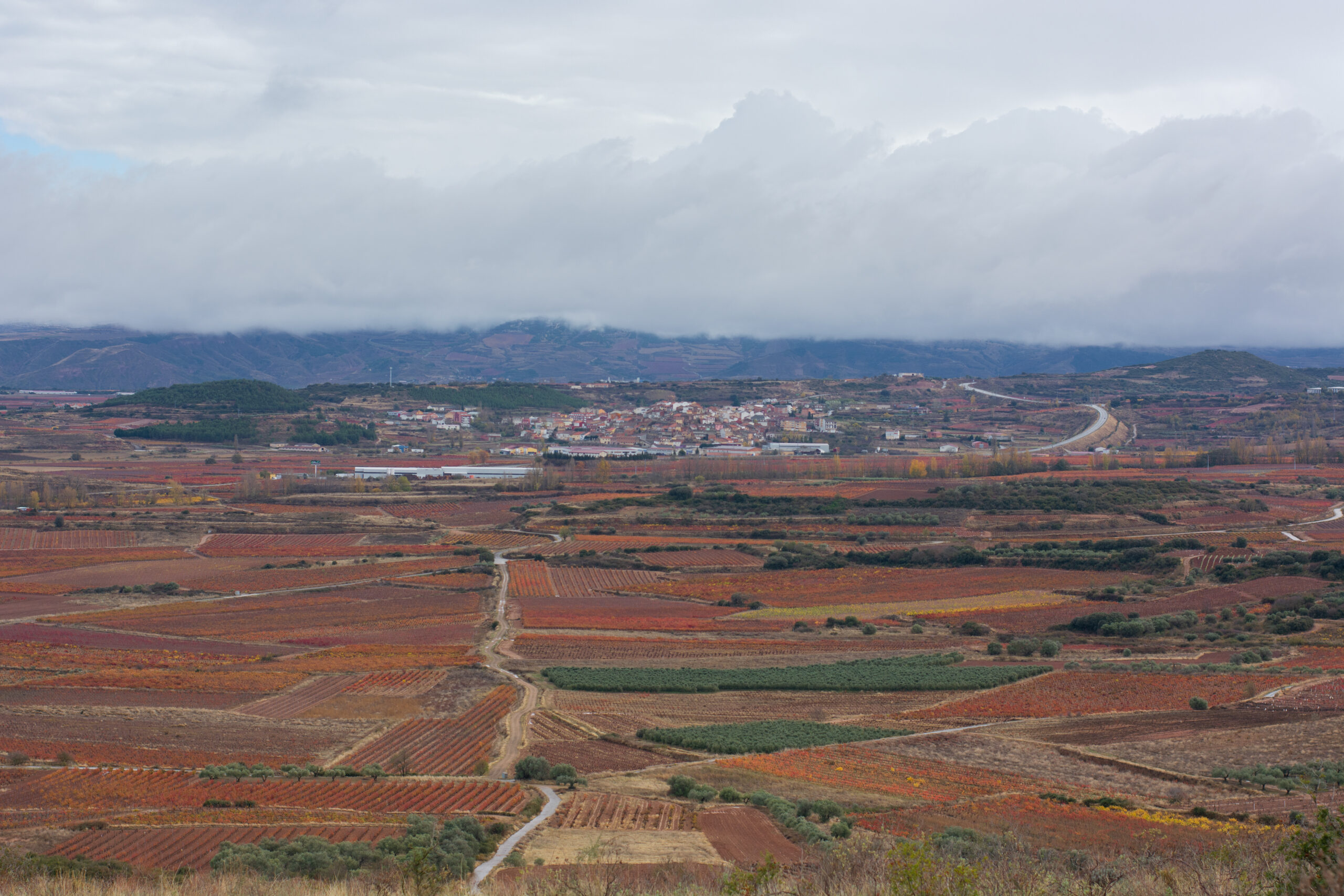
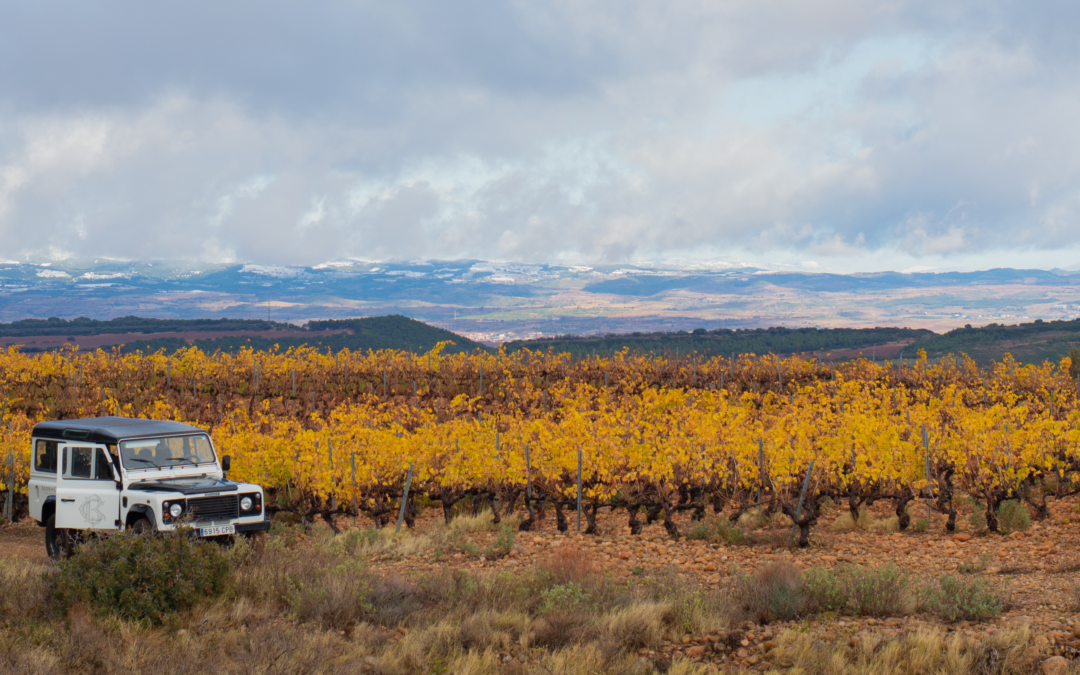
How the DOCa Rioja is divided: differences between Rioja Alta, Rioja Alavesa, and Rioja Oriental, and what each area contributes to the wine
To speak of the DOCa Rioja is to speak of one of the most renowned wine regions in the world. However, beneath this compact and resounding name lies incredible diversity. The Rioja Qualified Designation of Origin is not a uniform block, but a mosaic of landscapes, climates, soils, and styles that are divided into three large production areas: Rioja Alta, Rioja Alavesa and Rioja Oriental (traditionally known as Rioja Baja).
In this article, we want to explore these three areas to understand their characteristics, similarities, and differences, and how they influence the character of the wines. Because knowing the territory is the first step to understanding the soul of a glass of wine.
DOCa Rioja: a designation with its own identity
The DOCa Rioja was the first designation in Spain to achieve the status of “Qualified,” a recognition that endorses its historical trajectory and its demanding quality control system. With more than 65,000 hectares of vineyards and hundreds of wineries, Rioja has built an identity that combines tradition and modernity, innovation and respect for its origins.
But beyond figures and regulations, Rioja is best understood when you get down to the land itself. And that land is divided into three areas, each with its own personality.
Rioja Alta: elegance, freshness, and balance
La Rioja Alta is located in the west of the appellation, in the autonomous community of La Rioja. Its average altitude, higher than in other areas, and the combined influence of the Atlantic and continental climates create an ideal environment for growing grapes.
Winters are cold, summers are moderate, and rainfall is relatively abundant. This climatic balance favors slow and progressive ripening of the grapes, especially Tempranillo, the region’s premier variety.
The soils, mostly clay-limestone and alluvial, provide structure and freshness. As a result, Rioja Alta wines are typically characterized by:
- Good natural acidity
- Fine and complex aromas
- Elegant tannins
- Great aging potential
These wines evolve harmoniously in the barrel and bottle, developing spicy, balsamic, and ripe fruit notes without losing their freshness.
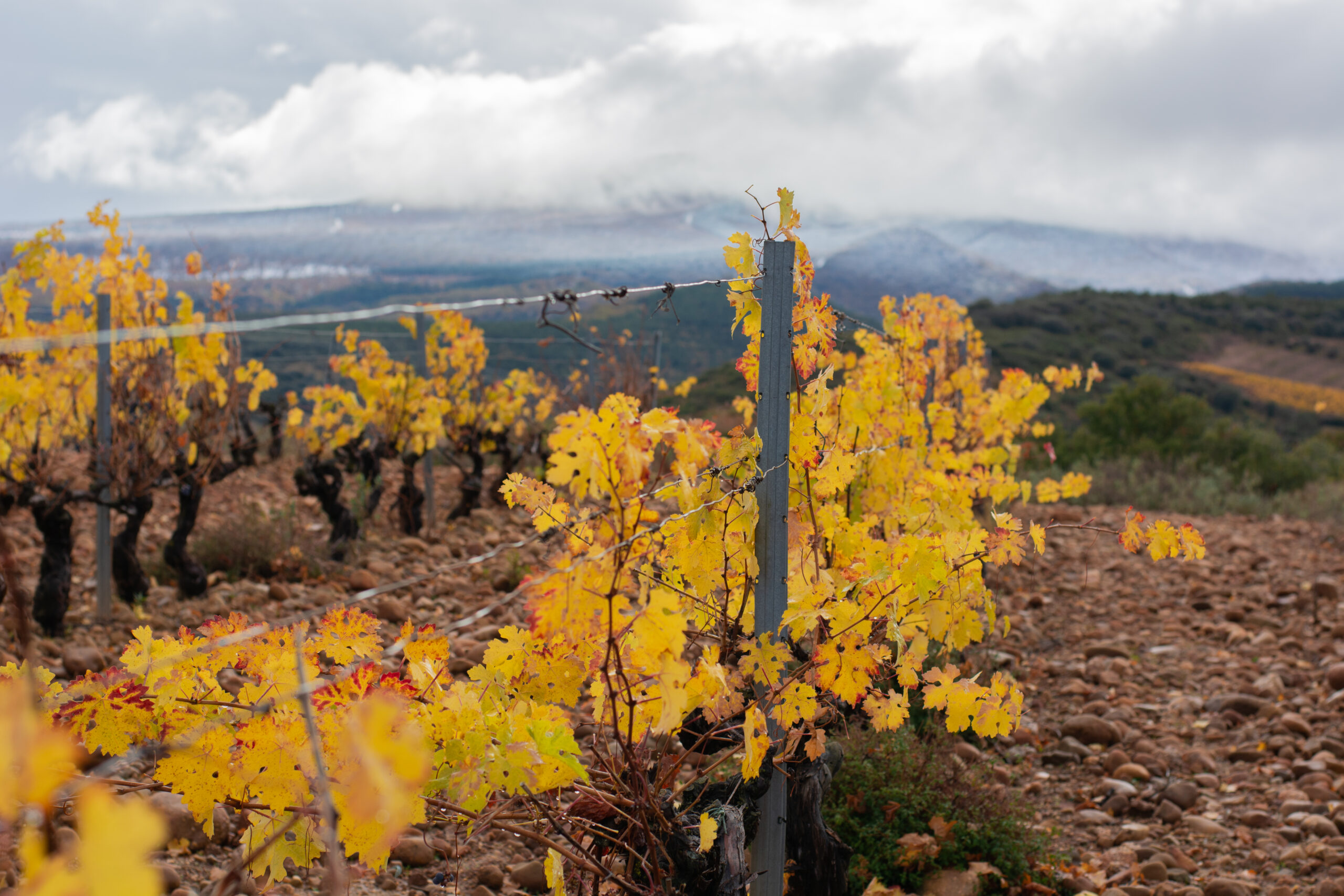
Rioja Alavesa: character, structure, and tradition
North of the Ebro River, in the province of Álava, lies Rioja Alavesa. Here, the landscape changes: terraced vineyards, small plots, and a strong tradition of family-run wineries.
The climate remains predominantly Atlantic, although the Sierra de Cantabria mountains act as a natural barrier against the cold north winds, creating a unique microclimate. Clay-limestone soils dominate the landscape and are decisive in the personality of its wines.
In Rioja Alavesa, Tempranillo is also the star, but the style tends to be different from that of Rioja Alta. Its wines tend to show:
- Greater aromatic intensity
- Deeper color
- Firm structure
- More concentrated profile
Traditionally, many wineries in this area produced young wines using carbonic maceration, although today classic and modern styles coexist.
Rioja Oriental: warmth, power, and maturity
The third large area is the current Rioja Oriental, historically known as Rioja Baja. It is located in the easternmost part of the appellation and has a distinctly more Mediterranean climate.
Here, temperatures are higher and rainfall is lower. The result is faster grape ripening and higher alcohol content in the wines. The soils are varied, with the presence of ferrous and alluvial clays.
Garnacha stands out in this area, a variety that adapts perfectly to warmer and drier conditions. Rioja Oriental wines tend to offer:
- Greater volume on the palate
- Notes of ripe fruit and spices
- Higher alcohol content
- A sensation of power and breadth
In recent years, this area has undergone a remarkable qualitative evolution, reclaiming its identity and its ability to produce wines with great personality.
Similarities between Rioja Alta, Rioja Alavesa, and Rioja Oriental
Despite their differences, the three areas share fundamental elements that underpin the reputation of the Rioja Designation of Origin:
- Predominance of native varieties such as Tempranillo, Garnacha, Graciano and Mazuelo
- Strict regulation under the DOCa Rioja umbrella
- Tradition of aging in oak barrels
- Deep-rooted wine culture passed down through generations
Furthermore, they are all part of the same historical narrative. The Ebro River, the protective mountain ranges, and the diversity of soils create a coherent whole, albeit one full of nuances.
Key differences: climate, soils, and style
If we had to summarize the main differences between the three areas, we could do so in three main points:
- Weather
- More Atlantic and cooler in Rioja Alta and Rioja Alavesa
- More Mediterranean and warmer in Rioja Oriental
- Soils
- Predominance of clay-limestone in Rioja Alta and Rioja Alavesa
- Greater diversity and presence of ferrous clays in Rioja Oriental
- Wine style
- Elegance and longevity in Rioja Alta
- Intensity and structure in Rioja Alavesa
- Power and maturity in Rioja Oriental
These differences are not rigid boundaries, but general trends. Each plot, each winegrower, and each vintage brings unique nuances.
Bodegas Corral: the strength of Rioja Alta in Navarrete
We are located in Rioja Alta, in the heart of Navarrete, a historic enclave on the Camino de Santiago where vineyards are part of the landscape and collective memory.
From here, we express all the strength of Rioja Alta and its terroir in our wines. The altitude, clay-limestone soils, and balanced climate allow us to work with raw materials of extraordinary quality, especially Tempranillo, which finds its maximum expression of elegance and freshness in this area.
At Bodegas Corral, we understand that wine is territory. That is why we care for each plot as a living heritage and strive to ensure that each bottle reflects the balance, finesse, and aging potential that define our region.
The diversity of the DOCa Rioja is its greatest asset. And at Rioja Alta, in Navarrete, we contribute to this mosaic with wines that speak of their origin, the climate, and the soil that gave birth to them. Because when you understand how Rioja is divided and what each area contributes, you also understand that each glass is a liquid map of the territory.